
Electrical Safety Code Requirements Protect People, Property, and Operations
An electrical safety code sets the minimum rules for designing, installing, altering, and maintaining electrical systems safely. For property managers, the practical takeaway is simple: use the code adopted in your jurisdiction, confirm permit and plan-review requirements before work starts, and hire qualified electrical professionals to complete and document the installation.
These rules help reduce shock, electrocution, arc-fault, and fire risks while supporting reliable power for tenants, staff, and critical building systems.
In Ontario, the legally enforceable standard is the Ontario Electrical Safety Code (OESC). It combines the national Canadian Electrical Code, Part I (CSA C22.1:24), with Ontario-specific amendments under O. Reg. 164/99. In the United States, premises wiring generally follows the National Electrical Code (NEC), while utility lines and substations are commonly governed by the National Electrical Safety Code (NESC).
For commercial and multifamily properties, code compliance is not just an inspection issue. It can prevent downtime, avoid expensive rework, and make upgrades for EV charging, energy storage, and electrical capacity safer to manage.
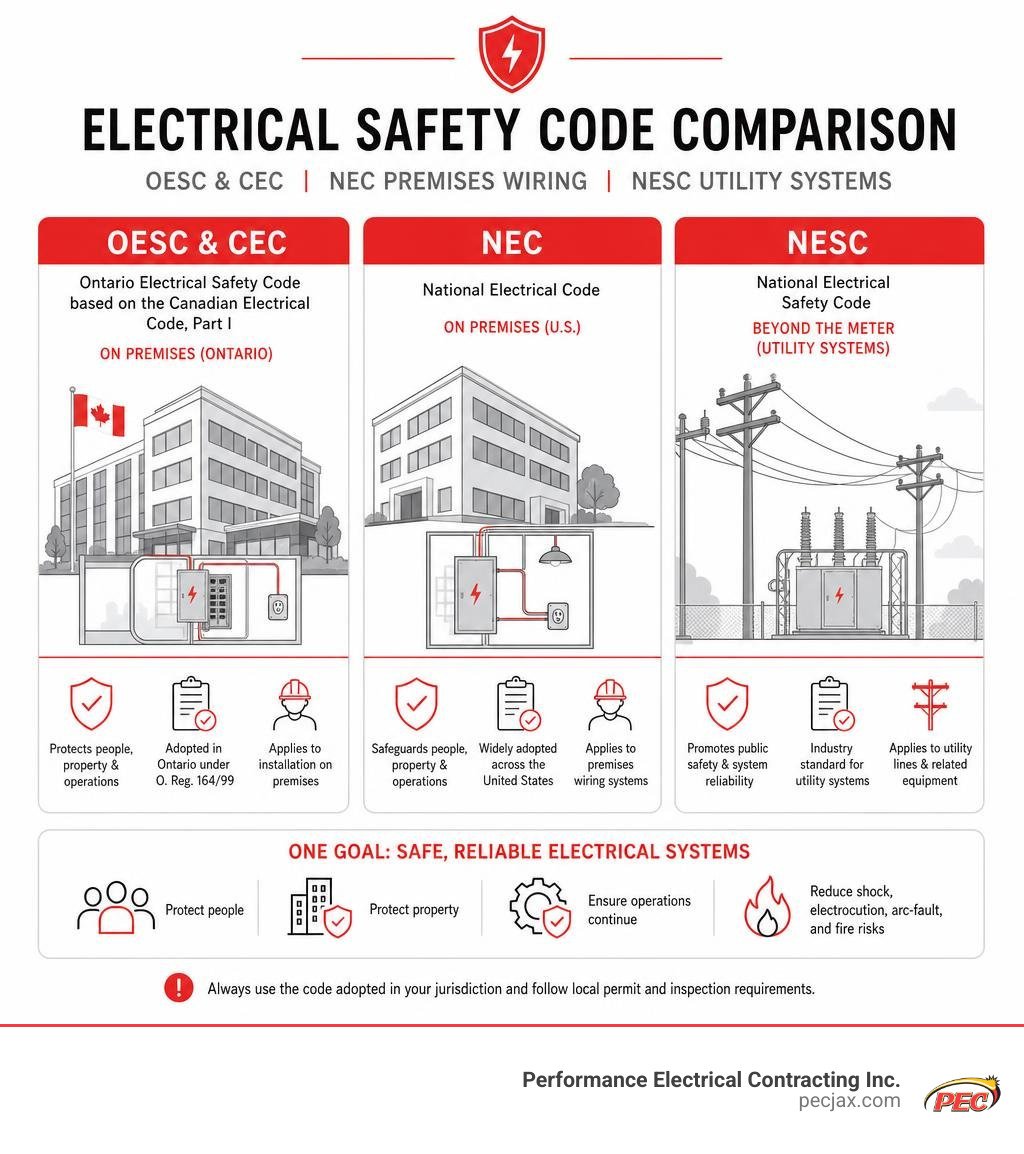
Comparing Major Electrical Safety Code Standards: NEC vs. NESC vs. CEC
Understanding electrical standards starts with knowing where one jurisdiction ends and another begins. Electrical safety codes are not one-size-fits-all blueprints. Instead, model codes are developed by dedicated standards bodies and then legally enacted by provincial, state, or municipal authorities.
The scope of work determines which standard applies. Inside the boundaries of private property—from commercial office complexes and multifamily developments to industrial plants—rules focus on protecting occupants, maintenance workers, and property assets from internal electrical faults. Beyond the customer meter, power distribution involves entirely different operating voltages, physical configurations, and environmental stresses.
The table below outlines the core differences among the major electrical standards governing North American projects:
| Standard / Code | Publishing Body | Typical Update Cycle | Primary Scope & Application |
|---|---|---|---|
| National Electrical Code (NEC / NFPA 70) | National Fire Protection Association (NFPA) | 3 Years | Premises wiring in residential, commercial, and industrial facilities within the U.S. |
| National Electrical Safety Code (NESC / ANSI C2) | Institute of Electrical and Electronics Engineers (IEEE) | 5 Years | Utility systems, electric supply lines, substations, and communication utilities. |
| Canadian Electrical Code (CE Code / CSA C22.1) | Canadian Standards Association (CSA Group) | 3 Years | National safety standard for building installations and premises wiring across Canada. |
| Ontario Electrical Safety Code (OESC) | Electrical Safety Authority (ESA) | 3 Years | CE Code Part I combined with binding Ontario Amendments under O. Reg. 164/99. |
National Electrical Code (NFPA 70) for Premises Wiring
In the United States, the benchmark standard for building wiring is the National Electrical Code (NFPA 70). It governs everything from main service entrances and branch circuit distribution to emergency backup generators and modern microgrids. Incorporating the industry standards that power commercial electrical installation ensures that commercial structures can handle heavy power demands without risking catastrophic equipment failure or arcing events.
To assist engineers, master electricians, and building officials, the NFPA 70, National Electrical Code (NEC) Handbook (2026) pairs raw code language with in-depth commentary, practical calculation examples, and visual schematics. These explanations clarify the engineering logic behind safety mandates, which helps our crews streamline installations and avoid design oversights.
National Electrical Safety Code (NESC) for Utility Infrastructure
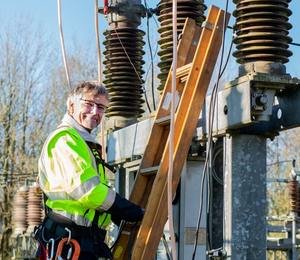
While the NEC stops at the service point, the National Electrical Safety Code (NESC), codified as ANSI Standard C2, takes over for the utility power grid. Published exclusively by the IEEE on a five-year revision cycle, the NESC has served as the foundational safety benchmark for utility providers for more than a century.
The NESC focuses on practical safeguarding for line technicians, utility personnel, and the public during the construction, operation, and maintenance of overhead lines, underground distribution, and high-voltage substations. Divided into four distinct parts—substations, overhead lines, underground lines, and work rules—it establishes mandatory clearances from trees, roadways, and buildings. Some states implement alternative frameworks; for example, California enforces its own utility rules through General Order 95 (overhead) and General Order 128 (underground) rather than adopting the NESC directly.
Canadian Electrical Code (CSA C22.1) and Regional Adoptions
In Canada, building safety begins with the Canadian Electrical Code (CE Code), Part I, published by the Canadian Standards Association. Originating in 1927, the CE Code is updated every three years by national volunteer technical committees. The 2024 release represents the standard’s 26th edition.
Provincial authorities take this baseline and enact it into law with regional adjustments. In Ontario, provincial oversight is established through O. Reg. 164/99 ELECTRICAL SAFETY CODE | ontario.ca, which legally mandates compliance for any act or omission involving the generation, transmission, distribution, retail, or use of electricity under the Electricity Act, 1998. The Electrical Safety Authority (ESA) administers these standards, publishing the official Ontario Electrical Safety Code – ESA along with specific Ontario Amendments to address regional technical priorities.
Technical Standards and Modern Safety Enhancements
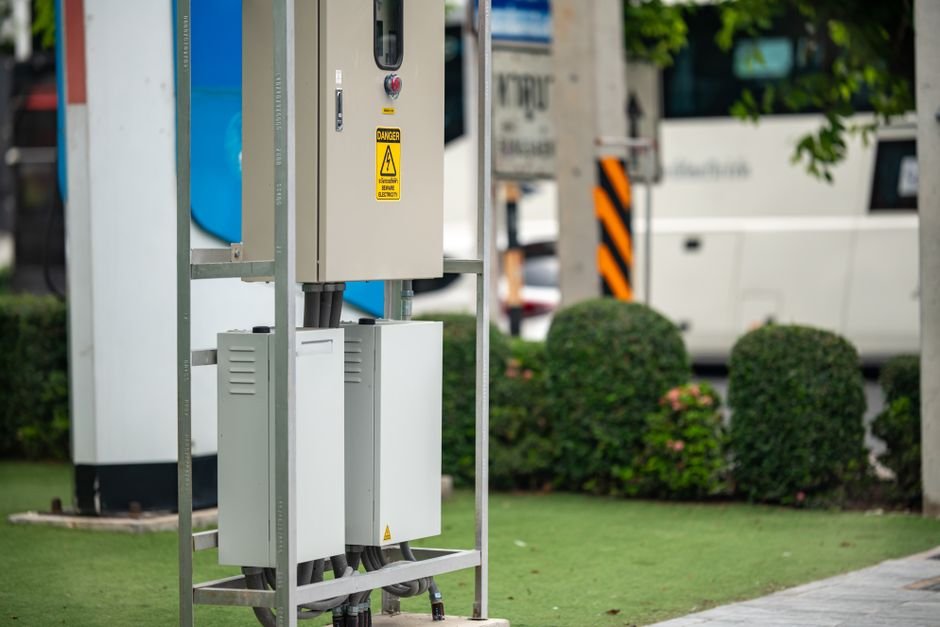
Modern energy demands are reshaping electrical standards. The rapid adoption of distributed energy resources, high-capacity commercial vehicle chargers, and battery banks requires modern codes to address complex load profiles and continuous duty cycles.
Updating the Electrical Safety Code for Energy Storage and EV Systems
Recent code editions have transformed how systems accommodate high-draw clean technologies. In the CSA C22.1-2024 – Canadian Electrical Code, Part I (26th Edition), Safety Standard for Electrical Installations and the 29th edition of the OESC (which took regulatory effect on May 1, 2025), installation rules for residential Energy Storage Systems (ESS) underwent a complete rewrite.
Calculating power demands for homes with Electric Vehicle Supply Equipment (EVSE) has also been simplified:
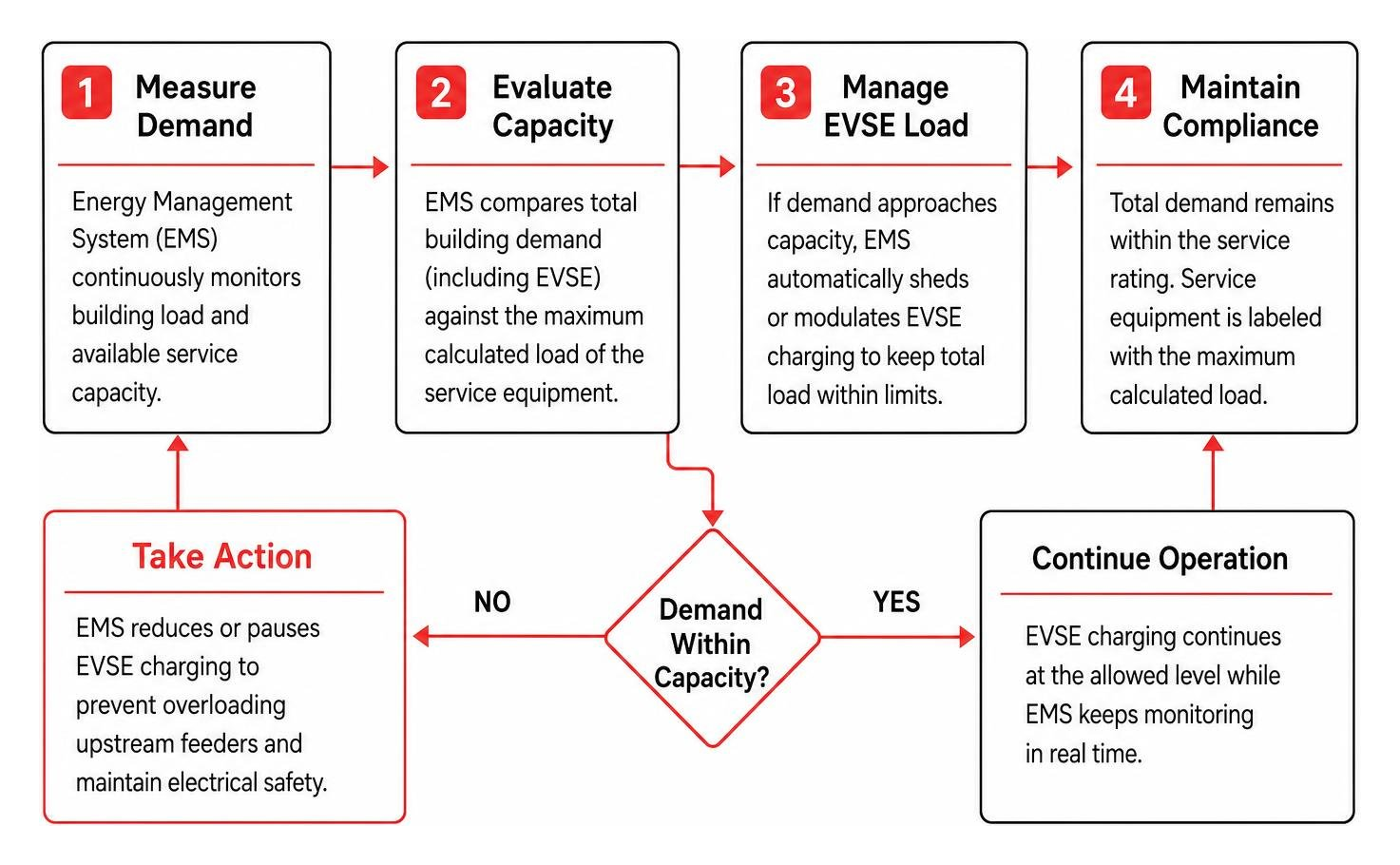
- Elimination of Table 38: The legacy calculation matrix was removed in favor of a straightforward 100% demand factor applied to EV charging loads unless managed by smart systems.
- Energy Management Systems (EMS): Codes formally recognize broad energy management systems that monitor building usage in real time, automatically shedding or modulating EVSE loads to keep total demand within safe panel ratings.
- Service Capacity Labelling: Installers must clearly label the maximum calculated residential load on service equipment to prevent future contractors or homeowners from inadvertently overloading upstream feeders.
- Harmonized Conductor Metrics: Modern editions officially recognize conductor sizing in square millimeters ($text{mm}^2$) alongside conventional American Wire Gauge (AWG) and thousand circular mils ($text{kcmil}$) designations.
Critical Protections: Arc Fault Clearing and GFCI Mandates
Shock prevention and fault mitigation remain central to modern code updates. Recent national and provincial codes introduced major updates to limit arc energy and protect personnel:
- Arcing Fault Clearing Times: Section 2 of the Canadian Electrical Code requires documented clearing-time reduction methods for overcurrent protective devices rated 1200 A or higher. Reducing fault duration significantly lowers available arc-flash incident energy, safeguarding service electricians during routine switchgear maintenance.
- Public Venue & Temporary Power: Power distribution across outdoor carnivals, midways, festivals, and temporary event tents now requires Ground Fault Circuit Interrupter (GFCI) protection across portable generator connections, extension cords, and temporary branch circuits.
- Conductive Swimming Pool & Spa Bonding: Bonding requirements for pools, hot tubs, and hydromassage installations have been updated to ensure all conductive structural components, pumps, and perimeter surfaces are bonded to a common ground grid, preventing stray voltage gradients.
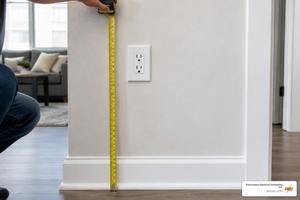
- General Premises Safety: Maintaining standard device layouts—such as aligning with standard light switch height requirements explained by code—ensures consistent, accessible, and hazard-free operation across residential and commercial properties.
Compliance, Plan Review, and Enforcement Protocols
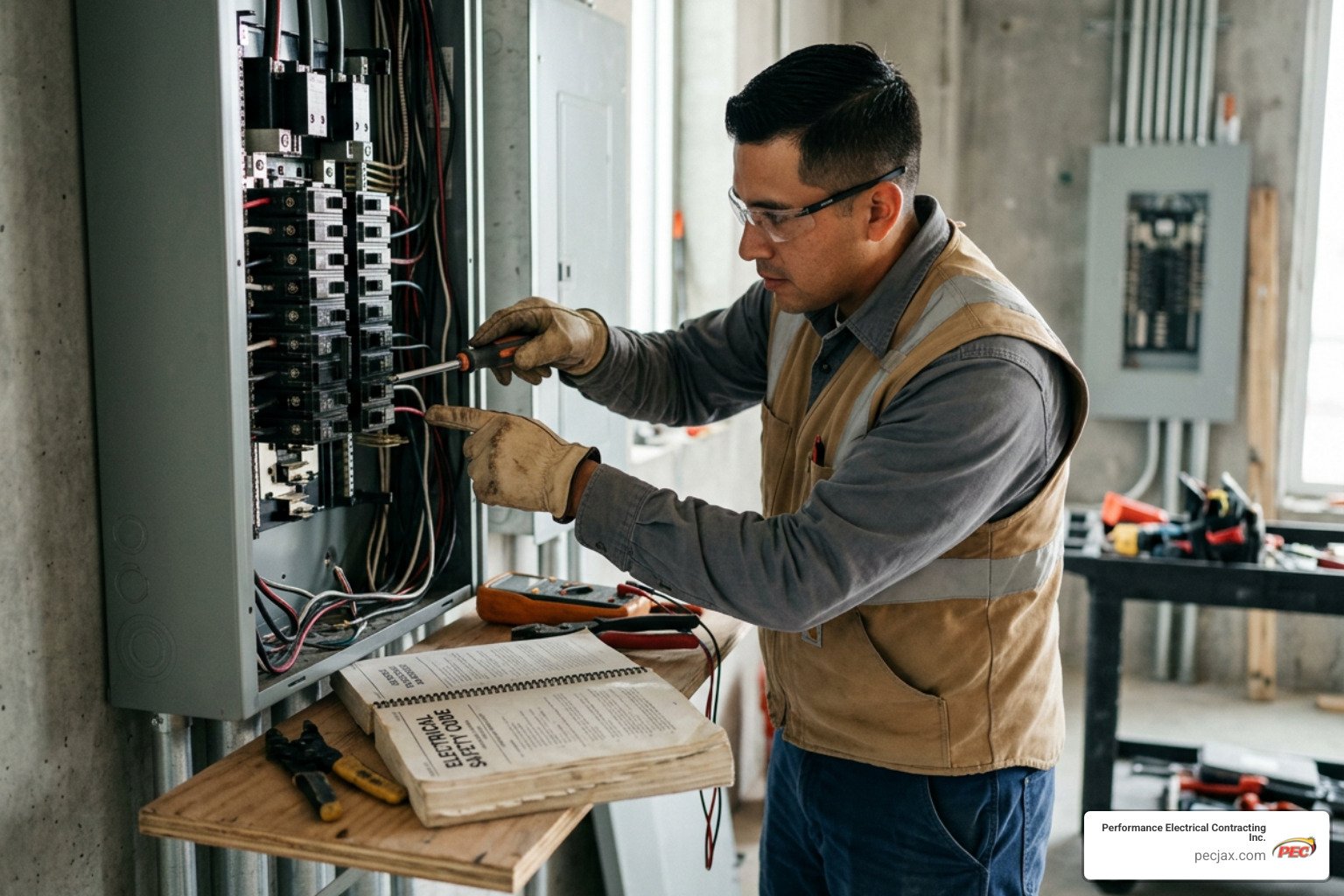
A comprehensive code standard is only as effective as its job-site enforcement. Ensuring safety across commercial developments requires careful coordination among design engineers, certified electrical contractors, and local inspection authorities.
Plan Review Thresholds and Permitting Requirements
Complex installations require an engineering plan review before field work begins. Under the Ontario Electrical Safety Code, Rule 2-010 establishes plan submission requirements for high-capacity services and stand-alone power generation.
Following an official Director’s Order, the Plan Review threshold under Rule 2-010 increases from 10 kW to 12 kW on July 6, 2026. This adjustment streamlines small-scale renewable and backup generator projects while maintaining engineering oversight for larger commercial arrays. For building managers and developers, navigating electrical code compliance inspection rules and permits early in the design phase prevents stop-work orders and costly mid-construction redesigns.
When purchasing code documents for project teams, professionals can select physical copies ($243 USD), downloadable PDFs ($217 USD), or 3-year digital subscriptions via the CSA Advantage platform. These packages often bundle companion technical bulletins and index updates through May 2026.
Enforcement Officers and Certification Under the Electrical Safety Code
Field inspections are conducted by authorized safety codes officers who enforce technical compliance. In jurisdictions governed under Safety Codes Council frameworks, such as Alberta, becoming a certified electrical safety codes officer requires extensive trade or technical experience:
- Journeyperson Pathway: Requires recognized journeyperson electrician certification plus a minimum of 6 years of verified post-certification electrical field experience focusing on wiring installations.
- Engineering Pathway: Requires an electrical engineering degree or technologist diploma along with 8 years of relevant electrical experience, including hands-on job-site installation practice.
- Mandatory Training: Candidates must complete core curriculum courses, including Introduction to the Safety Codes System ($400), Written Communications for Safety Codes Officers ($325), Professional Communication Skills ($250), Electrical Safety Codes Officer Basics ($375), and specific CE Code courses ($375).
- Continuing Professional Development: Officers must complete 30 continuing education credits over a 3-year cycle to maintain active inspection credentials and stay current with provincial STANDATA variance bulletins.
Frequently Asked Questions About Electrical Codes
What installations are typically exempt from building electrical safety codes?
Building safety codes like the NEC, CE Code, and OESC cover premises wiring, but specific industrial, transportation, and utility systems fall outside their statutory scope:
- Underground mine workings and specialized extraction machinery.
- Utility-owned generation, transmission, and communication distribution networks.
- Electric railway motive power systems, catenary lines, and railway signaling circuits.
- Aircraft electrical systems subject to national aviation administration standards.
- Marine vessels and watercraft regulated by maritime transport agencies (unless docked and connected to shore power for extended periods, such as exceeding 5 consecutive months under CE Code rules).
How often are national electrical codes revised and updated?
Building electrical codes—including the National Electrical Code (NEC), Canadian Electrical Code (CSA C22.1), and Ontario Electrical Safety Code (OESC)—are revised on a regular three-year cycle. This schedule allows technical committees to evaluate emerging technologies, study field incident reports, and update installation safety standards. In contrast, the utility-focused National Electrical Safety Code (NESC) updates on a five-year cycle. When urgent safety risks arise between publication cycles, governing bodies issue interim updates, such as Tentative Interim Amendments (TIAs) or provincial Director’s Orders.
What are the primary consequences of non-compliance with electrical safety standards?
Non-compliance with electrical safety codes creates serious life-safety, operational, and financial risks:
- Safety Hazards: Improperly sized conductors, missing bonding paths, or absent GFCI/AFCI devices significantly increase the likelihood of electrical shocks, arc flashes, and structural fires.
- Permit & Utility Delays: Municipal and provincial inspectors will fail non-compliant work, resulting in failed inspection reports and refusal by local utilities to energize the service.
- Financial & Legal Exposure: Statutory fines can be levied by regional safety authorities against property owners and unlicensed contractors. Furthermore, non-compliant installations can lead insurers to deny property damage or liability claims following an electrical fire.
Conclusion
Electrical safety codes provide the foundational engineering standards that protect building occupants, field personnel, and physical assets from electrical hazards. From calculating EV charging loads and deploying battery storage systems to maintaining proper clearances and arc fault protections, staying aligned with the latest national and regional standards is essential for every property owner, developer, and facility manager.
At Performance Electrical Contracting Inc., we bring decades of hands-on technical expertise to commercial, multifamily, hospitality, infrastructure, and residential projects throughout Jacksonville, FL, and the Southeast U.S. As a partnership-focused, pre-qualified contractor, our team delivers value-driven, fully compliant electrical solutions on time and on budget. To protect your investment and avoid costly installation pitfalls, review our breakdown of common electrical code violations in Florida and how to avoid them or reach out to our team today to discuss your next project.